

Knee
-
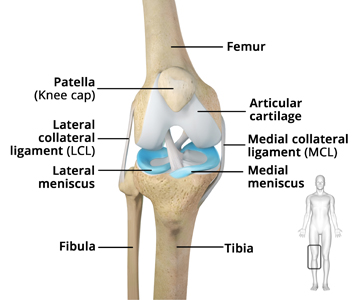
The knee is a complex joint made up of different structures - bones, tendons, ligaments, and muscles. They all work together to maintain the knee’s normal function and provide stability to the knee during movement.
Procedures
-
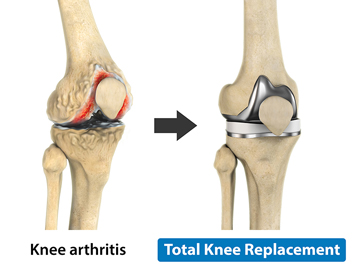
Total knee replacement, also called total knee arthroplasty, is a surgical procedure in which the worn out or damaged surfaces of the knee joint are removed and replaced with an artificial prosthesis.
-
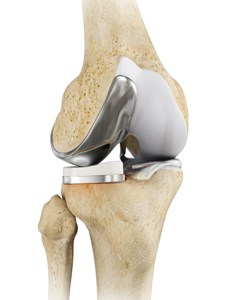
Unicompartmental knee replacement is a minimally invasive surgery in which only the damaged compartment of the knee is replaced with an implant. It is also called a partial knee replacement.
-
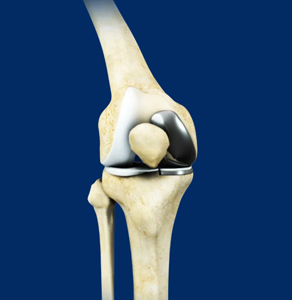
Unicompartmental Knee Replacement or Unicondylar Knee Replacement is a minimally invasive surgery in which only the damaged compartment of the knee is replaced with an implant. It is also called a partial knee replacement.
-
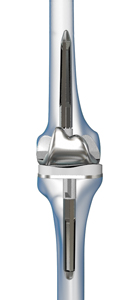
Revision knee replacement surgery involves replacing a part or all your previous knee prosthesis with a new prosthesis. Although total knee replacement surgery is successful, sometimes the procedure can fail due to various reasons and may require a second revision surgery.
-
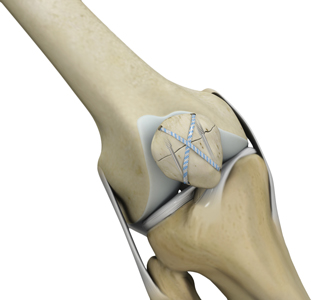
A knee fracture is a broken bone or a crack in or around the joint of the knee. This can involve the tibia (shin bone), the kneecap (patella), or femur (thighbone) where they connect with the knee.
-
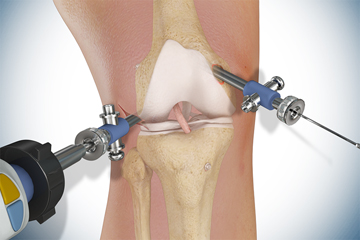
Knee surgery is a surgical procedure for the treatment of a knee injury or condition. The procedure involves repairing diseased or damaged structures of the knee joint in order to eliminate pain and restore normal function.
-
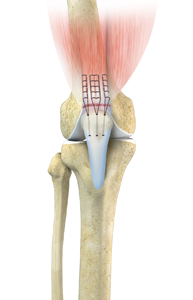
Quadriceps tendon is a thick tissue located at the top of the kneecap. The quadriceps tendon works together with the quadriceps muscles to allow us to straighten our leg. The quadriceps muscles are the muscles located in front of the thigh.
-
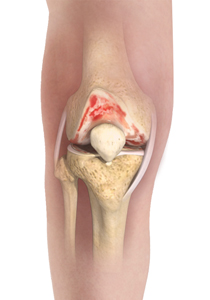
Knee osteoarthritis (OA) treatment refers to the various approaches involved in the treatment of the degenerative joint condition called osteoarthritis. The knee joints are lined by soft articular cartilage that cushion the joints and aid in smooth movement of the joint bones.
-
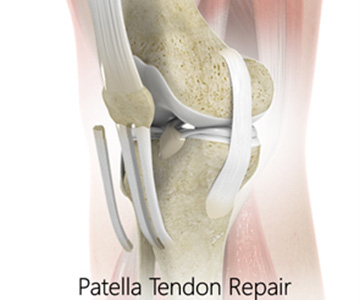
Patellar tendon repair is the surgery performed to reattach the torn tendon to the kneecap and to restore normal function in the affected leg.
-
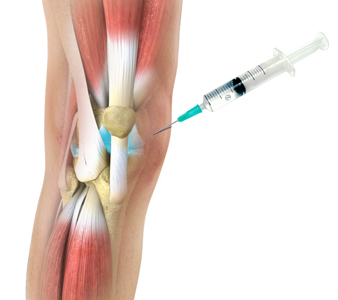
Viscosupplementation refers to the injection of a hyaluronan preparation into the joint. Hyaluronan is a natural substance present in the joint fluid that assists in lubrication. It allows the smooth movement of the cartilage-covered articulating surfaces of the joint.
Conditions
-
-
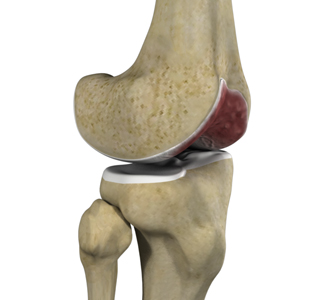
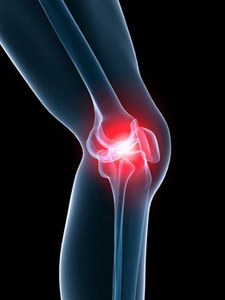
The joint surface is covered by a smooth articular surface that allows pain-free movement in the joint. Arthritis is a general term covering numerous conditions where the joint surface or cartilage wears out.
-
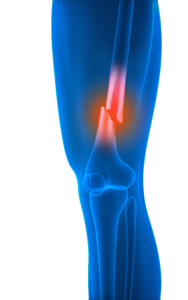
A fracture is a condition in which there is a break in the continuity of the bone. In younger individuals, these fractures are caused by high energy injuries, as from a motor vehicle accident. In older people, the most common cause is a weak and fragile bone.
-
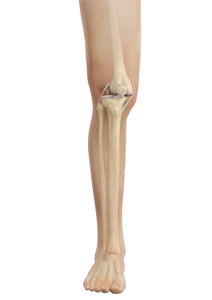
Knee dislocation is a condition that occurs when the bones that form the knee joint, namely the femur or thigh bone get separated from the shin bone. This can cause serious damage to the nerves, blood vessels, and ligaments surrounding the knee, leading to a decline in strength and overall health of the leg.
-
Knee osteoarthritis (OA) treatment refers to the various approaches involved in the treatment of the degenerative joint condition called osteoarthritis. The knee joints are lined by soft articular cartilage that cushion the joints and aid in smooth movement of the joint bones.
-
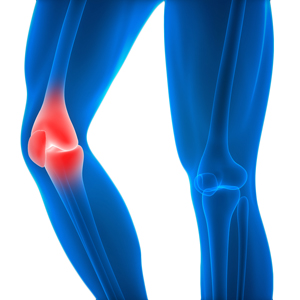
Trauma to the knee can injure one or more tissues of the knee joint, such as ligaments, tendons, cartilage, bones, and muscles. These injuries can result from a fall, a forceful twisting motion, or a high-impact event like a motor vehicle accident.
-
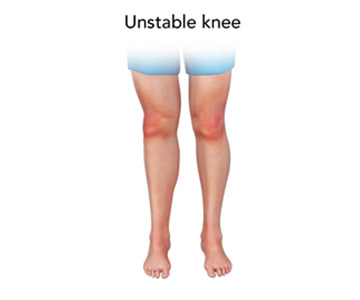
The knee joint is one of the largest joints in the body. This highly complex joint has several tissues supporting and stabilizing its movement:
-
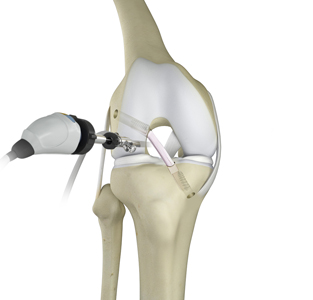
The knee is a complex joint made up of bones (femur, tibia, patella), ligaments, tendons, cartilage (menisci), and muscles. Knee trauma refers to any injury or damage sustained by the structures of the knee joint due to a sudden force, accident, fall, or direct impact.
-
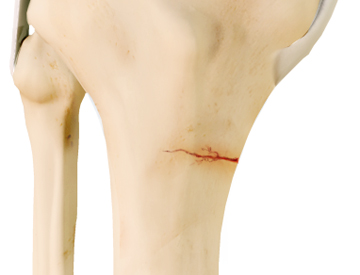
Stress fractures of the patella or knee are very rare. Approximately two out of 10,000 athletes may experience a patella stress fracture. Initial symptoms include activity-related pain and then a fatigue stress fracture after minor trauma.
-
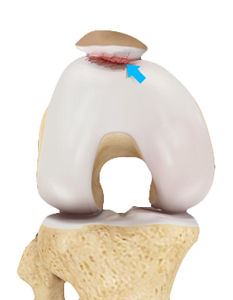
Patellofemoral arthritis is an inflammatory condition characterized by loss of the smooth cartilage between the kneecap (patella) and the underlying femoral (thigh) bone in the knee joint.
-
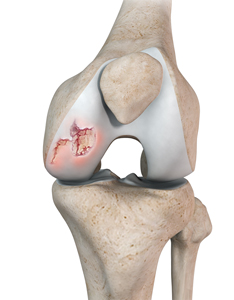
The articular or hyaline cartilage is the tissue lining the surface of the two bones in the knee joint. Cartilage helps the bones move smoothly against each other and can withstand the weight of your body during activities such as running and jumping.
-
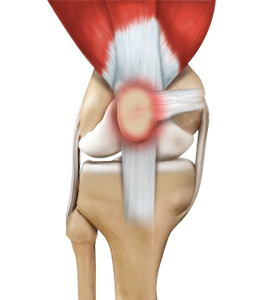
Patellofemoral pain syndrome also called runner’s knee refers to pain under and around your kneecap. Patellofemoral pain is associated with a number of medical conditions such as anterior knee pain syndrome, patellofemoral malalignment, and chondromalacia patella.
-
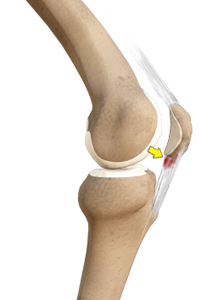
Patellar tendonitis, also known as "jumper's knee", is an inflammation of the patellar tendon that connects your kneecap (patella) to your shinbone. This tendon helps in extension of the lower leg.
-
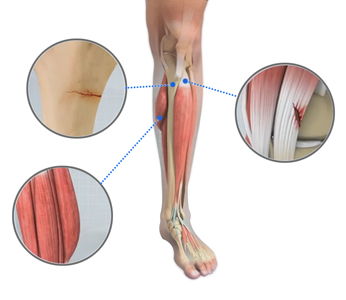
Shin splints are pain and inflammation of the tendons, muscles and bone tissue along the tibia or shinbone (lower leg). It occurs because of vigorous physical activities such as exercise or sports.
Educational Videos
Patient Services and Care Coordination
Our team can assist with appointments and general inquiries.