

Hip
-
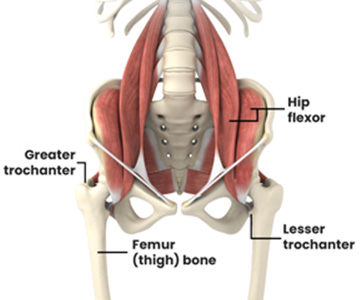
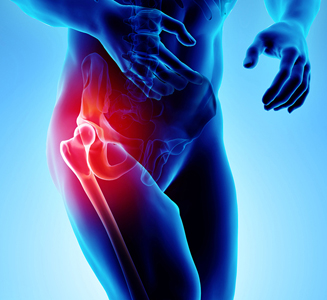
The hip joint is the largest weight-bearing joint in the human body. It is also referred to as a ball and socket joint and is surrounded by muscles, ligaments, and tendons. The thigh bone or femur and the pelvis join to form the hip joint.
Procedures
-
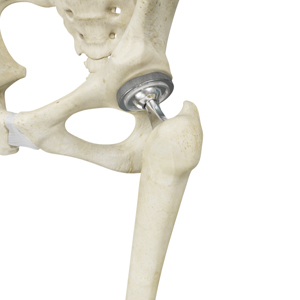
Total hip replacement is a surgical procedure in which the damaged cartilage and bone are removed from the hip joint and replaced with artificial components. The main indication for total hip replacement is arthritis.
-
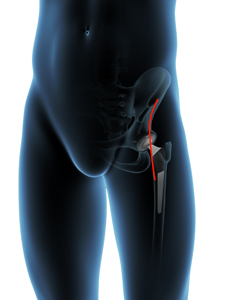
Direct anterior hip replacement, also called direct anterior total hip arthroplasty, is a minimally invasive hip surgery to replace the hip joint without cutting through any muscles or tendons as against traditional hip replacement that involves cutting major muscles to access the hip joint.
-
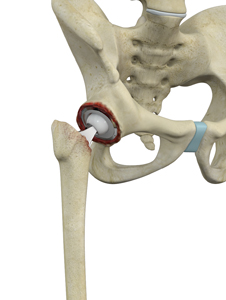
Revision hip replacement is a complex surgical procedure in which all or part of a previously implanted hip joint is replaced with a new artificial hip joint. Total hip replacement surgery is an option to relieve severe arthritis pain that limits your daily activities.
-
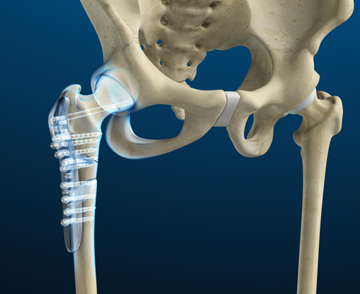
Surgical correction of a hip fracture is known as hip fracture surgery. Hip fractures involve a break that occurs near the hip in the upper part of the femur or thigh bone. The thigh bone has two bony processes on the upper part - the greater and lesser trochanters.
-
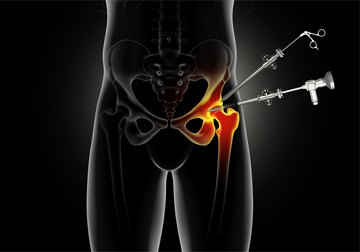
Hip surgery is a surgical procedure for the treatment of a hip injury or hip condition. The procedure involves repairing diseased or damaged structures of the hip joint in order to eliminate pain and restore normal hip function.
-
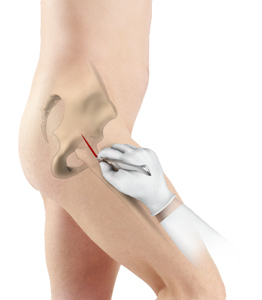
Minimally invasive total hip replacement is a surgical procedure performed through one or two small incisions rather than the single long incision of 10–12-inches as in the traditional approach.
-
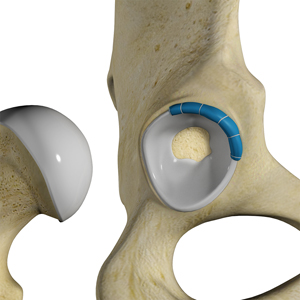
Hip trauma is an injury in the hip due to the impact caused by incidents such as a car accident or a hard fall. The injury can be a bone break or dislocation or both.
-
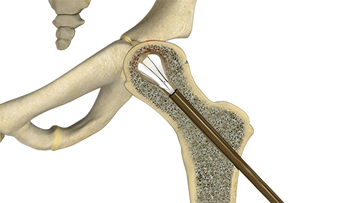
Hip reconstruction is a surgery to repair or replace a damaged hip joint that causes pain and limits your movement.
-
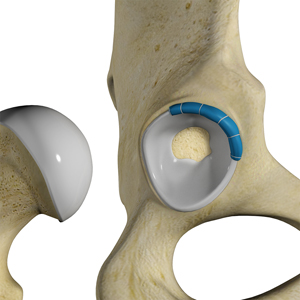
Hip labral reconstruction is a surgery that involves the use of a graft to replace the damaged portion of a hip labrum. The hip labrum is a ring of fibrous cartilaginous tissue that surrounds the socket of the hip joint.
-
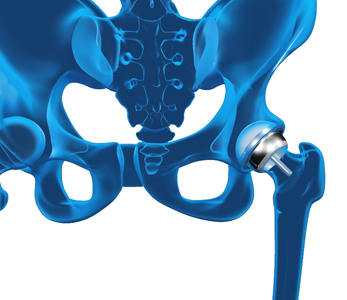
Hip resurfacing is an alternative to total hip replacement surgery where both the ball and socket of the hip joint are completely removed and replaced with plastic, metal, or ceramic prosthetics.
-
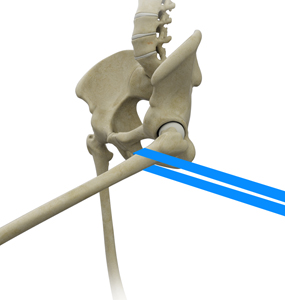
Hip distraction is indicated for the treatment of avascular necrosis in adolescents. The hip distraction procedure may be recommended as a conservative surgery for the treatment of arthritis in younger people.
-
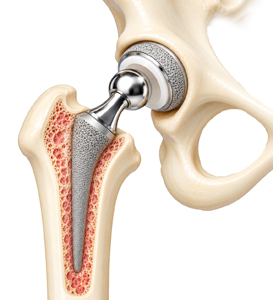
Cementless hip replacement is a type of total hip replacement in which the artificial joint is secured without bone cement. The implants have specially designed surfaces that allow your own bone to grow onto them over time, creating a stable, biological bond between the implant and your bone.
Conditions
-
-
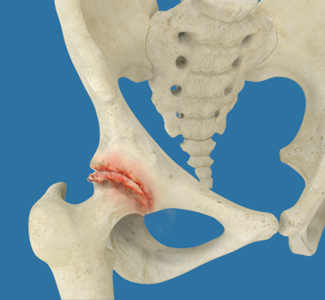
Osteoarthritis, also called degenerative joint disease, is the most common form of arthritis. It occurs most often in the elderly. This disease affects the tissue covering the ends of bones in a joint called cartilage.
-
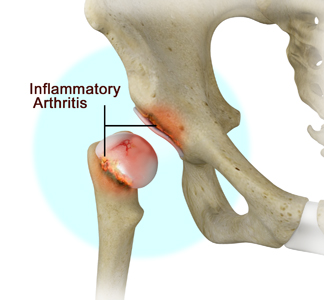
The inflammation of the joints is referred to as arthritis. Inflammation arises when the smooth lining called cartilage at the ends of bones wears away. In some cases, the inflammation is caused when the lining of the joint becomes inflamed as part of an underlying systemic disease.
-
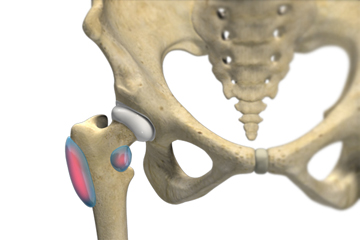
Hip bursitis is a painful condition caused by the inflammation of a bursa in the hip. Bursae are fluid-filled sacs present in the joints between bone and soft tissue to reduce friction and provide cushioning during movement.
-
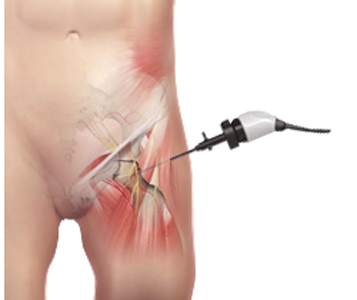
Snapping hip syndrome is a condition in which you hear or feel a snapping sound in the hip when you swing your legs, run, walk or get up from a chair. The sound can be experienced in the back, front or side of the hip.
-
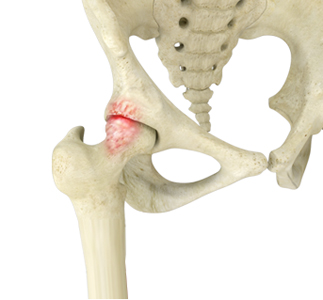
Femoroacetabular impingement (FAI) is a condition characterized by excessive friction in the hip joint from the presence of bony irregularities. These cause pain and decreased range of hip motion.
-
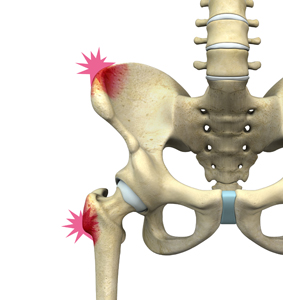
Hip pointer is an injury or bruise to the iliac crest (curved upper border of the ilium) or greater trochanter, or the surrounding muscles or tissues.
-
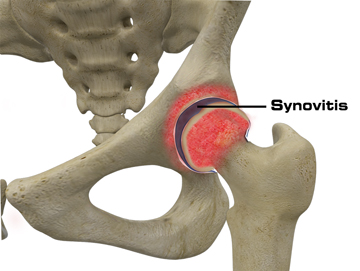
Hip synovitis, also called transient hip synovitis or toxic synovitis, is a condition characterized by inflammation of the synovial tissues that surround the hip joint. It is the most common cause for sudden hip pain that occurs in young children between the age of 2 and 9.
-
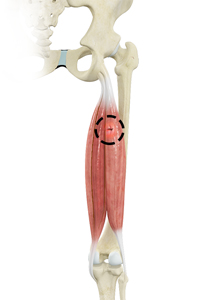
The hamstring is a group of three muscles that run along the back of the thigh from the hip to the knee. Hamstring injuries occur when these muscles are strained or pulled.
-
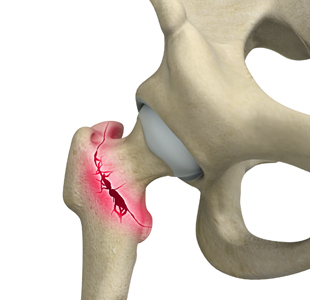
A hip fracture is a break that occurs near the hip in the upper part of the femur or thighbone. The thighbone has two bony processes on the upper part - the greater and lesser trochanters.
-
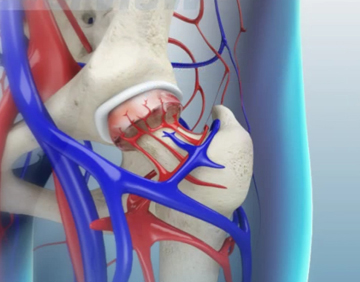
Avascular necrosis, also called osteonecrosis, is a condition in which bone death occurs because of inadequate blood supply to it. Lack of blood flow may occur when there is a fracture in the bone or a joint dislocation that may damage nearby blood vessels.
-
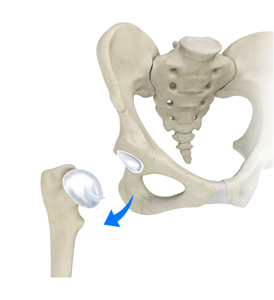
Hip dislocation occurs when the head of the femur moves out of the socket. The femoral head can dislocate either backward (posterior dislocation) or forward (anterior dislocation).
-
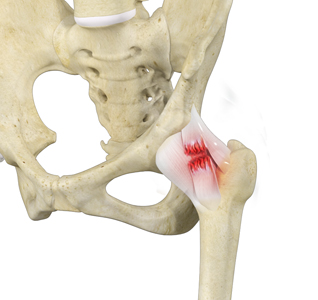
Injuries to the hip ligaments are commonly called a hip sprain and can range from minor tears of the ligaments to more serious injuries involving the hip muscles, tendons or bone.
-
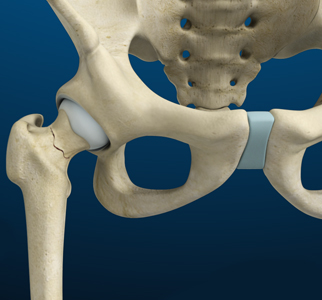
Stress fractures of the hip are a break in the upper part of the thigh bone (femur) that fits into the socket of the hip joint. It can occur in any part of the hip, however, it mostly occurs just below the ball of the ball-and-socket hip joint called the femoral neck.
-
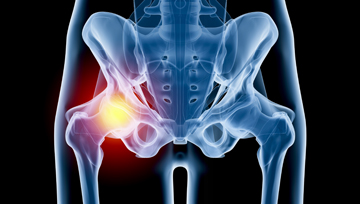
A hip fracture is a break that occurs near the hip in the upper part of the femur or thighbone. It is most frequently caused after minor trauma in elderly patients, and by a high-energy trauma or serious injury in young people.
-
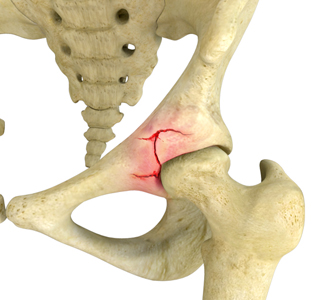
An acetabular fracture is a break in the acetabulum (ball-and-socket portion) of the hip joint. It usually occurs during high-energy injuries.
-
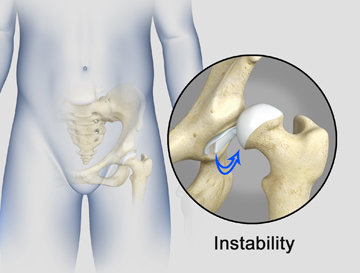
Injury or damage to these structures can lead to a condition called hip instability when the joint becomes unstable. Hip instability can be traumatic or atraumatic. Traumatic instability can be caused by injuries from sports or motor vehicle accidents.
-
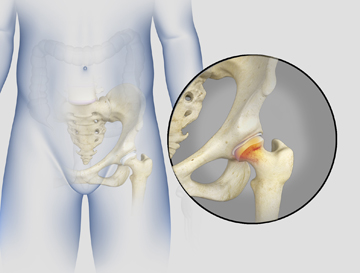
Irritable hip, also known as acute transient synovitis, is a common disorder of childhood characterized by hip pain and limping. The term transient means that it does not last long.
-
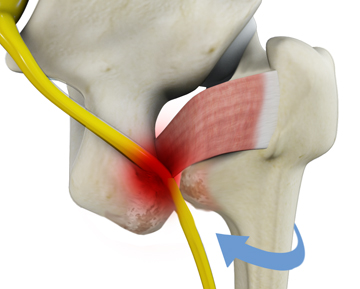
Ischiofemoral impingement is a condition in which there is an abnormal contact (impingement) between the soft tissues of the thigh bone and hip due to the narrowing of space between the lesser trochanter and ischium, resulting in significant hip pain.
-
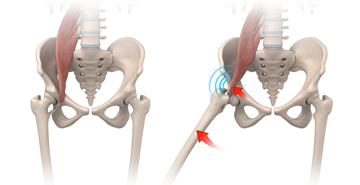
Iliopsoas impingement also known as internal snapping hip syndrome is a condition characterized by inflammation and pain in the iliopsoas muscles resulting in abnormal movement of the hip.
-
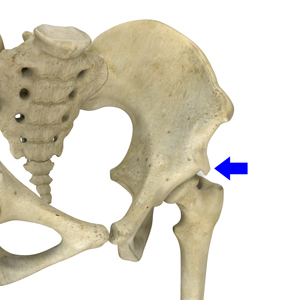
Subspine impingement, also known as anterior inferior iliac spine impingement, is a hip condition characterized by excessive friction caused by bony irregularities on the extraarticular (outside of the joint) surfaces of the hip bones rubbing against each other.
-
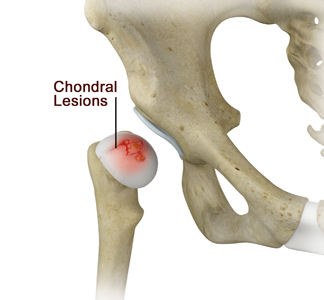
A chondral injury refers to an injury of the articular cartilage of the hip. The hip joint is one of the largest weight-bearing joints in the body, formed by the thighbone (femur) and the acetabulum of the pelvis.
Educational Videos
Patient Services and Care Coordination
Our team can assist with appointments and general inquiries.